
When Globalization Leaves Earth

What does globalization mean when Earth
is no longer the only place where humans live and work?
For years, globalization has been understood through borders, trade agreements, and global institutions. These discussions share a simple assumption: that globalization unfolds on a single planet. Even in a highly connected world, economic life has remained grounded on Earth. Production happens in specific places, governments rule defined territories, and participation depends on location.
That assumption is beginning to change.
As humanity moves closer to becoming a multi-planetary species, with serious plans for long term presence on Mars, globalization must be reconsidered. It is no longer only about movement across borders, but about how economic systems function when human activity extends beyond Earth itself. This essay explores globalization at that turning point, arguing that it is not ending, but entering a new phase.

When Globalization Leaves the Planet
For most of modern history, globalization has followed a clear pattern. Trade moves across oceans. Capital flows between cities and financial centers. People migrate across borders in search of opportunity. Through all of this, one thing has remained constant: human economic life has taken place on Earth. The planet itself has been the stage on which globalization unfolds.
Geography has always mattered. Where goods are produced, where labor is available, and where governments exercise authority have shaped how nations grow and how power is distributed. Access to land, resources, and transportation routes has helped determine which countries succeed and which fall behind. Globalization expanded connections across the world, but it never questioned the idea that Earth was the only place where those connections could exist.
Advances in space technology, along with serious plans for long term human presence on Mars, invite a new question. What happens to globalization when humanity is no longer tied to a single planet? This is no longer a distant or abstract thought. Mars is increasingly discussed as the first place where humans may live and work beyond Earth, marking a moment that challenges how we think about economic systems and global cooperation.
Globalization has always evolved alongside technology. Steamships reshaped trade. The internet transformed communication. A multi planetary future would push this evolution further than ever before. Economic activity could stretch beyond continents and oceans into space itself. Trade, production, and decision making would no longer be limited by Earth’s geography.
This does not signal the end of globalization. It signals its next chapter. Location still matters, but it no longer defines who can participate. Understanding this shift is essential to imagining how global order, governance, and inequality may take shape in a world that is no longer only Earth based.
How the Economy Expands Beyond Earth
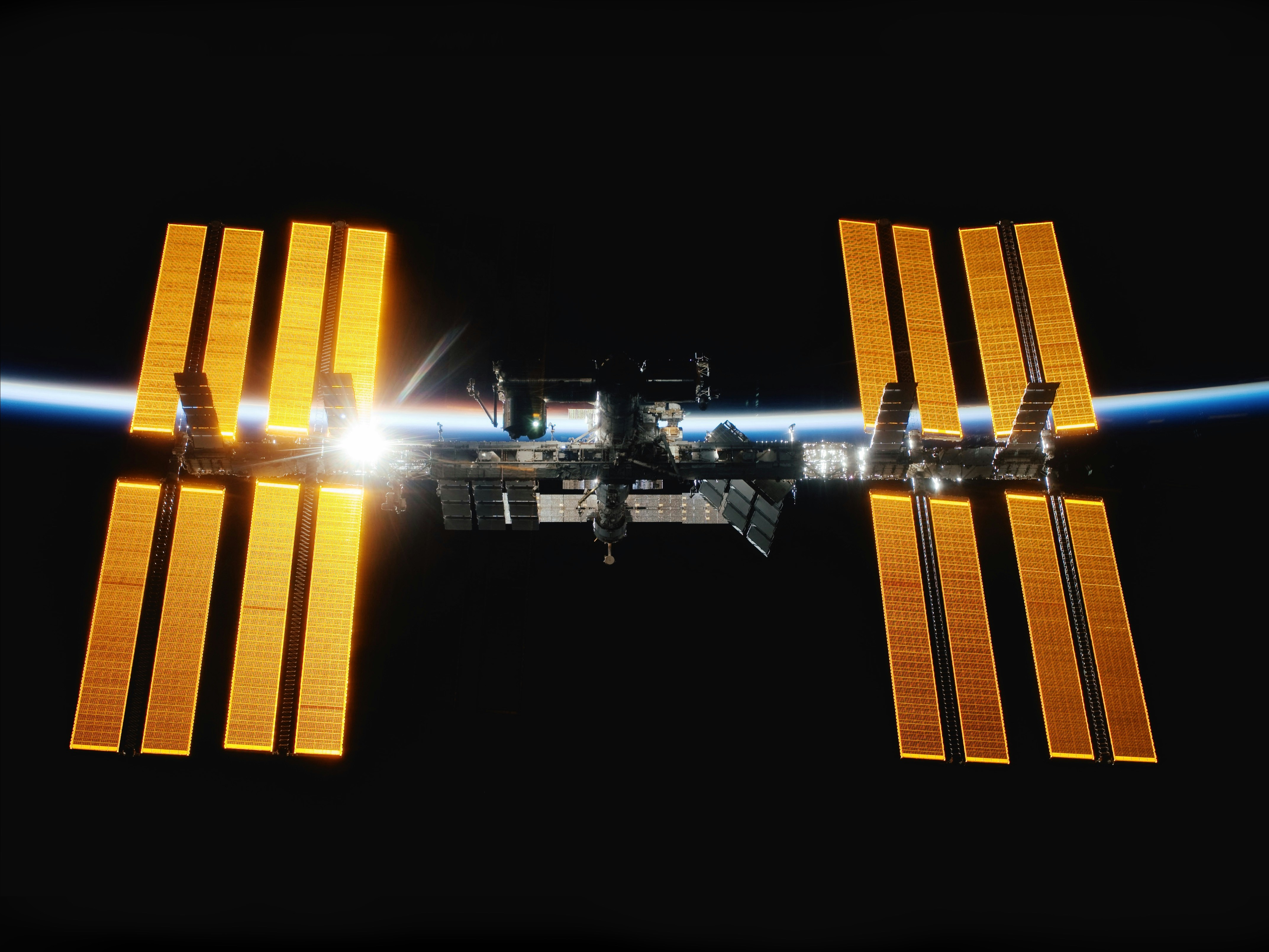
If humans establish a lasting presence on Mars, globalization does not split into two separate worlds. Instead, the global economy stretches outward. Earth remains the center, while Mars becomes a new frontier that is closely connected to it. This relationship feels familiar. Throughout history, globalization has linked distant places through trade, specialization, and shared dependence. What changes now is the distance involved. Economic connections are no longer measured in days of travel, but in months and planetary movement.
In this expanded economy, Earth would continue to serve as the industrial and financial foundation. Manufacturing, capital markets, research institutions, and governance systems would remain concentrated where population and infrastructure already exist. Mars, especially in its early stages, would rely heavily on Earth for technology, investment, and coordination. Building spacecraft, developing life support systems, and managing transport between planets would become essential industries, shaping new forms of cooperation and competition across the global system.
Over time, the relationship would likely evolve. Mars could begin to generate its own strategic value. Scientific discovery, experimentation in extreme environments, and access to unique resources could reshape how economic value is created. Trade would no longer be defined by ports, borders, or shipping lanes. Instead, it would depend on launch timing, energy demands, and interplanetary logistics. This shift introduces a new kind of inequality, one rooted not only in wealth or national development, but in access to space infrastructure and advanced technology.
This future is not a distant fantasy. International organizations already recognize space as an emerging economic domain with long term consequences for global development and governance (OECD, 2019). A multi planetary economy would not replace globalization. It would deepen its core tensions, extending patterns of dependence, imbalance, and power beyond Earth and into space.

When Location Stops Telling the Whole Story
As humanity moves toward a future beyond Earth, geography does not disappear. Instead, its role begins to change. For centuries, where a person lived shaped nearly every part of their economic life. Location determined where someone could work, which markets they could reach, and which rules applied to them. Globalization expanded opportunity across borders, but physical presence still mattered. Even in a digital world, economic life remained tied to being somewhere on Earth.
A multi planetary future starts to loosen that connection. Economic participation no longer depends on being physically present where value is created. Decisions made on Earth could guide operations on Mars. Teams could manage systems across planets using automation and remote technologies. In this environment, presence becomes something experienced through networks and coordination rather than location alone. It becomes possible to participate economically without ever setting foot where the activity takes place.
This shift raises new questions about power and responsibility. If a company operates on Mars, follows laws written on Earth, and is managed by people who never leave the planet, where does authority truly exist? Geography alone no longer offers clear answers. Influence flows through control of technology, infrastructure, and information. The global map begins to look less like a collection of borders and more like a web of connected systems.
At the same time, geography still matters in important ways. Distance, energy requirements, and environmental limits shape who can take part in this expanded global system. Access to launch capabilities and space infrastructure becomes a new kind of advantage. Globalization does not become placeless. It becomes layered. Earth remains central, but it is no longer the only place where human economic life unfolds.
Can Our Institutions Keep Up?
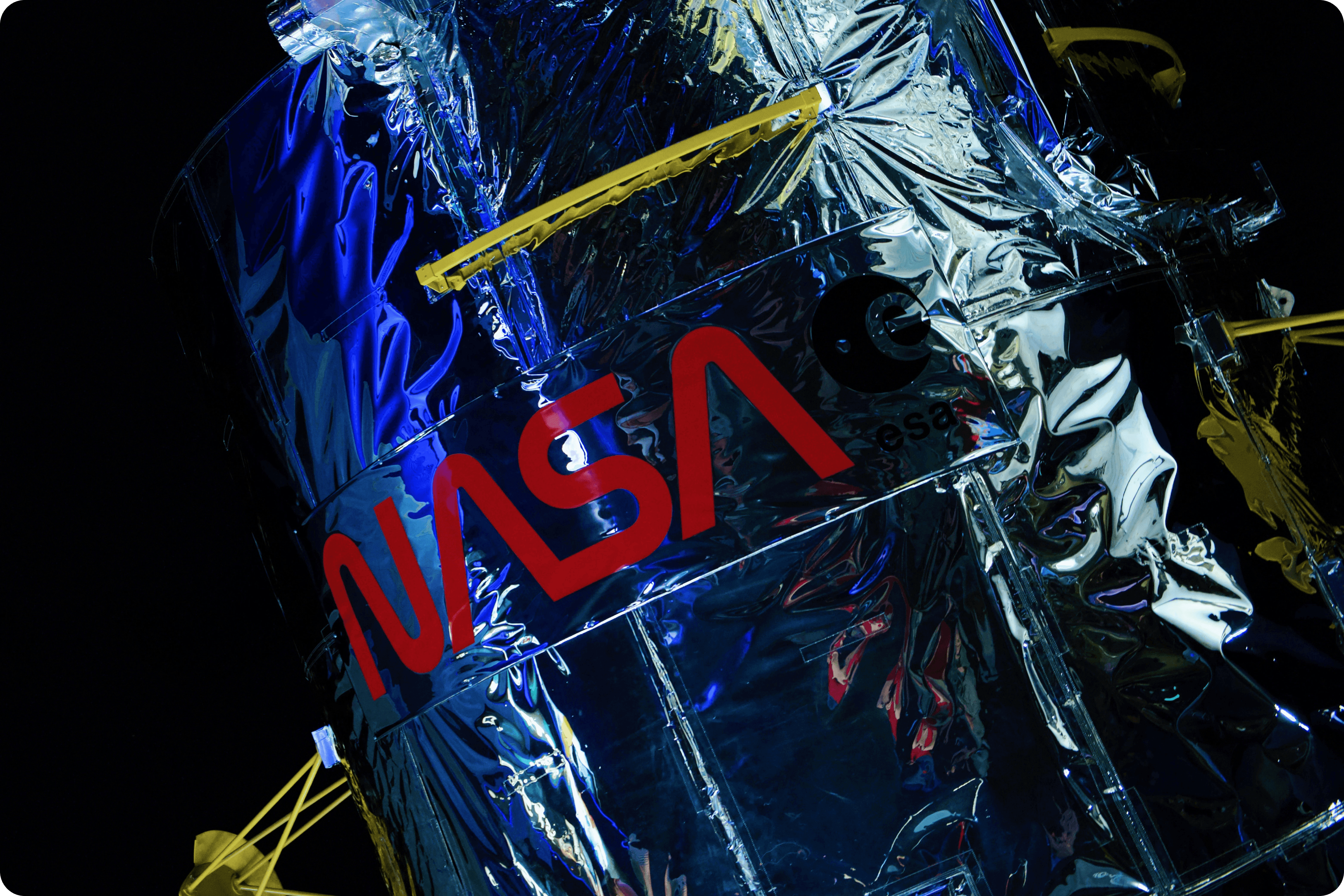
As globalization expands beyond Earth, it places new pressure on institutions that were designed for a world confined to a single planet. Global governance systems such as the United Nations, international law, and multilateral agreements were built to manage relationships between states that share the same physical space. Borders, territory, and proximity shaped how authority worked and how conflicts were resolved. A future that includes human activity on Mars challenges these assumptions in a fundamental way.
When economic activity, labor coordination, and corporate operations extend beyond Earth, a simple question emerges. Can governance remain centered on Earth when globalization is not? Existing frameworks that regulate space activity were created at a time when permanent human settlement beyond the planet was not seriously considered. These agreements establish broad principles, such as the idea of space as a shared domain, but they offer limited guidance for managing everyday economic life across planets.
This creates a gap in governance. States may try to extend their authority into space. Corporations may step in with private rules, contracts, and standards. New coalitions may form to coordinate specific activities such as transport, communication, or resource use. Instead of a single global system, governance could become a mix of overlapping arrangements, each addressing part of the challenge. This pattern already exists on Earth, where institutions often struggle to keep pace with rapid technological and economic change.
International organizations have begun to recognize that space activity will play an increasing role in global development and power, even as current governance mechanisms remain limited in reach and enforcement (United Nations Office for Outer Space Affairs, 2021). The key issue, then, is not whether institutions will continue to exist, but how they evolve. A multi planetary future does not reduce the need for governance. It makes cooperation, responsibility, and legitimacy more important than ever.
Who Gets to Go, and Who Gets Left Behind?
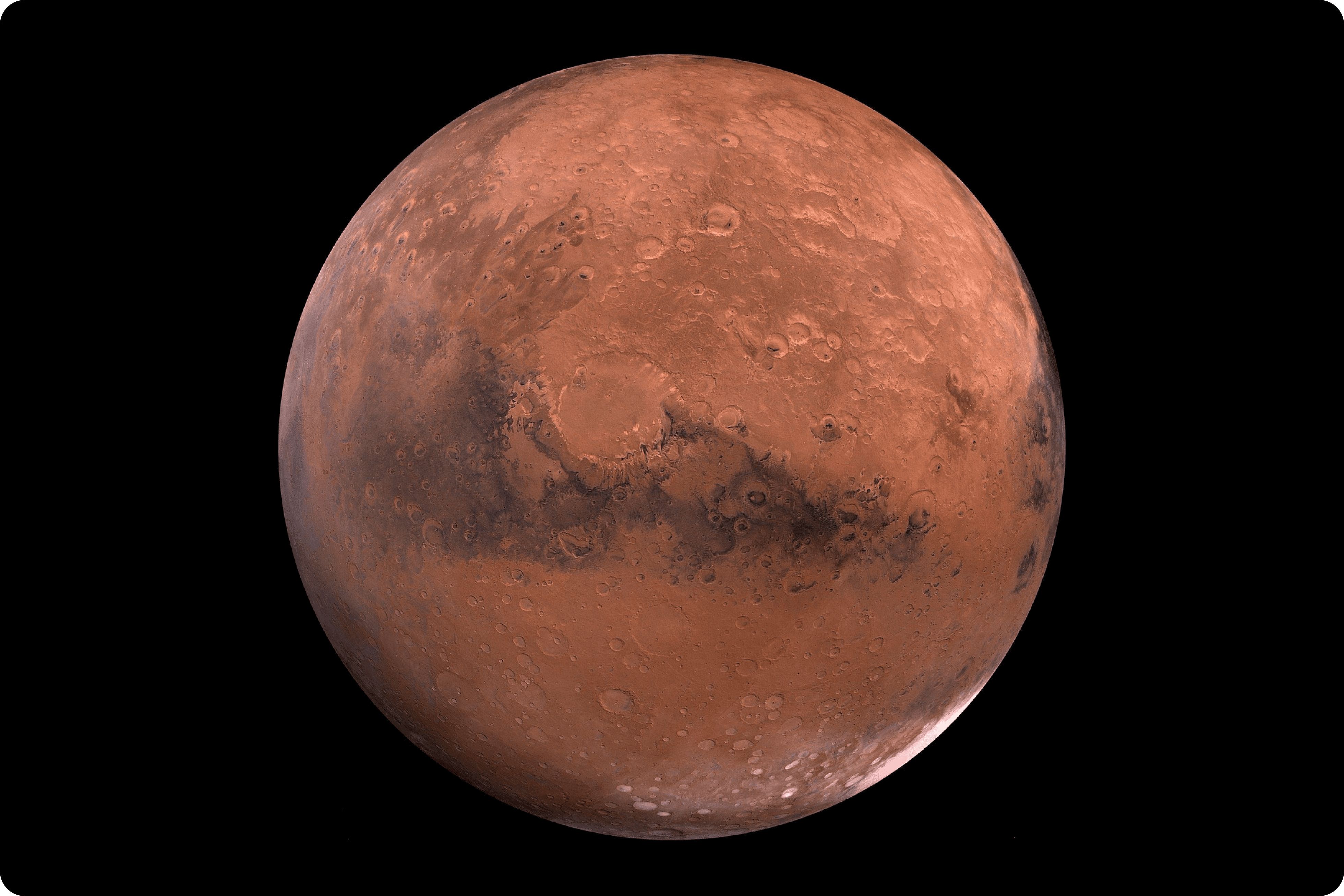
Every chapter of globalization has raised the same basic question. Who benefits, and who does not? A future that extends human activity beyond Earth does not make this question disappear. It makes it sharper. Access to space will not be equal, at least not at first. Participation in off world economic activity will depend on technology, capital, and institutional power, layering new inequalities onto those that already exist.
In this future, inequality may no longer be measured only by income or national development. It may also be shaped by access to the systems that make participation beyond Earth possible. Countries, companies, and individuals with launch capabilities, advanced technology, and scientific expertise will have a greater voice in shaping multi planetary globalization. Others may remain limited to Earth, not because of borders, but because of capability. The result could be a world where opportunity expands rapidly for some while remaining distant for many.
Power is likely to concentrate as well. Control over space infrastructure, communication networks, and autonomous systems could offer significant influence over economic and political outcomes. Without careful oversight, the expansion of globalization into space could reinforce existing hierarchies rather than reduce them. These concerns reflect familiar critiques of globalization on Earth, where innovation has often moved faster than inclusion.
Development institutions already warn that major technological transitions can deepen inequality when access is uneven and governance does not keep pace (World Bank, 2020). A multi planetary future magnifies this risk. Yet it also opens a door. If managed thoughtfully, expansion beyond Earth could encourage shared investment, broader cooperation, and a renewed sense of global responsibility. The future of globalization will depend not only on how far humanity travels, but on how fairly it brings others along.

Globalization Beyond a Single Planet
The future of globalization will not be defined by the moment humans reach Mars, but by what that possibility reveals about the systems built on Earth. A multi planetary future challenges long held assumptions about geography, governance, and economic life. As human activity extends beyond Earth, globalization becomes less about borders and more about connection, capability, and control.
This shift does not end globalization. It reshapes it. The choices made today will determine whether globalization beyond Earth deepens inequality or opens new paths for shared progress in a world no longer limited to a single planet.