When Technology Learns to Care

Reimagining the relationship between people and machines
through design that listens, feels and understands.
How it works.
Apple has never treated design as decoration; it has treated it as experience. As Steve Jobs once said, “Design is not just what it looks and feels like. Design is how it works.” That idea defines Apple’s sensory power. Every element—hardware, software, sound, and motion—works together so that the technology feels almost invisible. The user isn’t asked to think; they’re invited to feel.
The experience begins with touch. The cool precision of aluminum, the gentle click of a button, and the quiet pulse of the Taptic Engine are small but deliberate signals. Even in software, movement carries texture: cards glide with gravity, icons bounce with lightness, and transitions follow real-world physics. In neuroscience, this harmony connects to embodied cognition and predictive coding—our brains relax when interactions behave the way our bodies expect. When something “just works,” the brain rewards us with calm and confidence.
Sound shapes emotion in the same way. Apple’s audio palette—the startup chime, the camera shutter, the subtle keyboard click—creates a sense of familiarity and trust. Each cue builds affective memory, allowing users to recognize Apple through feeling. The intentional use of silence matters, too. By leaving space between sounds, Apple lowers cognitive load and sustains focus; the user experiences clarity rather than noise.
The magic happens in the integration. When you tap an icon, the motion, haptic, and tone respond in perfect sync. Hardware and software speak the same sensory language. Neuroscientists call this multi-sensory congruence—when senses align, the brain encodes the experience more deeply. That alignment is the hidden reason Apple products feel effortless: every sensory input confirms the same message—control, clarity, and ease.
In 2025, this philosophy feels more vital than ever. As technology becomes increasingly intelligent but abstract, Apple keeps it human. Devices like the Vision Pro use adaptive haptics and spatial sound to extend this “how-it-works” feeling into new dimensions. The company’s sensory design doesn’t chase attention; it earns emotion. It turns usability into attachment and attachment into memory.
Apple reminds us that great design isn’t about more sensation—it’s about the right sensation. When hardware and software act as one, when every sound, texture, and motion feels intentional, the brain understands without effort. That’s how design truly works—and why Apple’s sensory world continues to feel, and function, like magic.
Pixels Without Presence — Meta
If Apple designs to make technology disappear into feeling, Meta often does the opposite—it makes users too aware of technology. In its pursuit of total immersion, Meta has built an ecosystem that stimulates the senses but rarely balances them. The company’s vision for the Metaverse is ambitious, but it often forgets what the human brain truly craves: coherence, calm, and control.

Meta’s sensory strength lies in sight. The company has pushed the boundaries of visual immersion through 3D environments, vibrant interfaces, and spatial depth. Yet this visual power quickly becomes overstimulation. Colors, motion, and scale change too rapidly for the brain to predict. Neuroscience calls this predictive dissonance—when sensory signals break our expectations, the brain must work harder to make sense of them. Instead of immersion, users experience fatigue.
The auditory and tactile senses show similar imbalance. Spatial sound in VR is often exaggerated, echoing artificially to simulate realism, while the lack of natural touch creates a feeling of emptiness. Without true haptic feedback, the body never feels fully anchored. This mismatch between what the eyes see and what the body feels generates sensory incongruence, leading to discomfort or motion sickness. When technology asks the brain to process conflicting cues, emotion turns from curiosity to stress.
From a brand memory perspective, this inconsistency erodes attachment. People may remember Meta’s products, but rarely how they made them feel. There’s no equivalent to Apple’s quiet satisfaction when an interaction “just works.” Instead, users recall the friction—the headset weight, the dizzy motion, the sensory noise. Meta’s environments aim to create freedom, but they often feel cognitively crowded.
In neuroscience terms, Meta struggles with cognitive load and affective continuity. The brain can’t rest, so emotional encoding weakens. The company’s design favors intensity over intimacy, forgetting that the most powerful experiences are not the loudest but the most harmoniously felt.
In many ways, Meta’s sensory design mirrors its business model—it seeks to capture attention rather than nurture it. Its platforms are built to pull users inward, surrounding them in stimulation to keep them engaged. Apple, by contrast, builds tools that return control to the user. Its sensory harmony doesn’t demand more attention; it refines it. One system thrives on stimulation, the other on serenity. From a neuroscience perspective, Apple supports the brain’s need for focus and emotional regulation, while Meta often overwhelms it in pursuit of engagement.
Meta’s sensory failure is not in ambition but in balance. Immersion without emotional rhythm doesn’t feel human. Where Apple integrates sound, touch, and motion into one coherent message, Meta floods the senses without tuning them to the brain’s natural tempo. The result is impressive technology that lacks soul—a world rich in pixels but thin in feeling.
How Connection Works — Meta
To make connection feel real again, Meta must rethink not what users see, but what they feel. Real friendship isn’t built on pixels; it’s built on rhythm—on the quiet synchrony between heartbeats, laughter, and shared pauses. Neuroscience calls this emotional synchrony, the process that binds people together through subtle physiological cues. Meta could translate this natural rhythm into a new kind of sensory design—one that merges software, hardware, and emotion.
Imagine a feature called Shared Heartbeat Mode: when two friends message or call, their devices gently pulse in sync with the tempo of their conversation—subtle vibrations reflecting laughter, tone, or energy. The same system could create an emotional echo environment, where light, sound, and motion evolve softly with emotional tone, letting people see their shared mood. Together, these cues would create an ambient sense of presence—a reminder that someone is truly there with you, not just represented on a screen.
But emotional connection isn’t only about the moment—it’s also about continuity. Relationships fade not because we stop caring, but because we stop noticing. Meta could design a Relational Memory System that learns the emotional rhythm of each friendship and gently encourages reconnection. If a conversation has gone silent, the interface might highlight a friend’s recent milestone or simply suggest, “It’s been a while—send a note.” These nudges would work as social anchors, reactivating empathy and shared memory in the brain.

By designing how connection works—how it feels, flows, and lasts—Meta could transform its platforms from networks of attention into networks of emotion. It would return to its original purpose: helping people not only communicate, but stay connected in the moments that matter.
Design that Heals — Apple
Apple has always designed technology that feels human. The next step is to design technology that helps humans understand themselves. As Apple deepens its presence in health through the Apple Watch and Health app, it already collects some of the most personal data in the world—heart rate, breathing, sleep, stress, and movement. Yet for many people, that information remains abstract or confusing. To most, health still feels like a mystery that only a doctor can decode. Apple’s opportunity is to change that—to make health data as accessible and intuitive as using an iPhone.
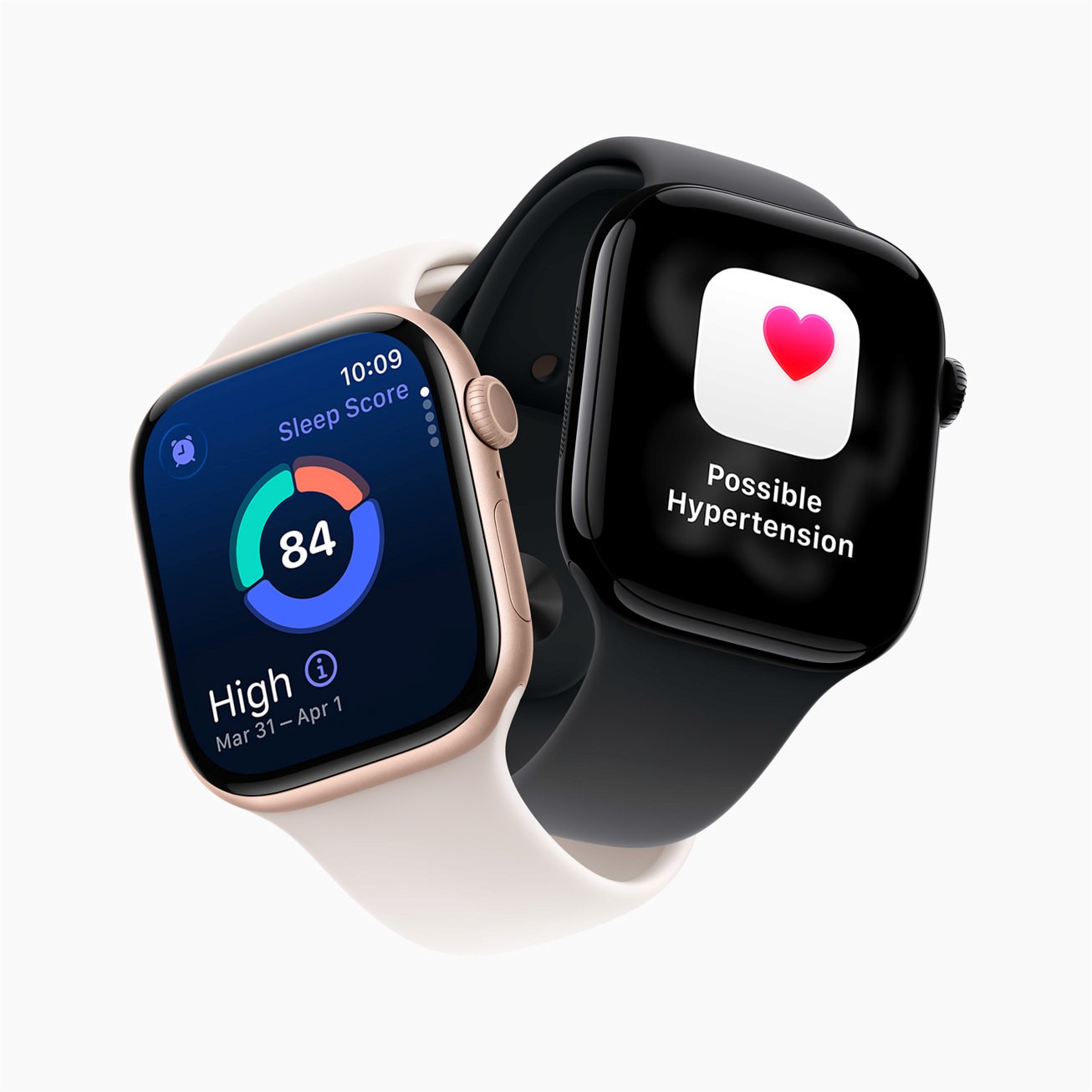
Imagine a feature called Health Buddy, a health companion built directly into the Apple ecosystem. It would turn complex biological data into clear, human language and meaningful guidance. Instead of charts or statistics, it would say, “You’ve had three nights of deep rest,” or “Your heart is working harder today—take a short break.” The experience would merge Apple’s hardware precision with software empathy: gentle haptics to remind you to breathe, a warm tone from Siri when stress levels rise, or subtle color changes in the interface that reflect your current energy. It would take the hidden rhythms of the body and translate them into something we can feel.
This design philosophy is rooted in neuroscience. By aligning technology with the body’s homeostatic regulation—the brain’s process of keeping balance—the Health Buddy helps users understand their own signals instead of ignoring them. Knowledge reduces anxiety; clarity builds control. When the mind can see and interpret what the body is saying, stress lowers and motivation increases.
Unlike most health platforms, this system would not overwhelm users with data or medical terms. Apple’s strength has always been simplicity with depth—a clear, emotionally intelligent interface that makes complex systems effortless to grasp. All data would be processed privately on-device, maintaining the company’s core value of trust.
With this innovation, Apple could bridge the gap between technology and healthcare, turning the iPhone and Apple Watch into the world’s most personal health companion. It would redefine what accessibility means—not just giving access to devices, but to understanding. Health Buddy would make wellbeing readable, relatable, and human—so that anyone, anywhere, could finally understand how their body feels and what it needs.
How Life Works.
In the end, the future of technology isn’t about more screens, pixels, or power. It’s about meaning. Companies like Meta have shown what happens when connection loses its emotional texture—when design captures attention but not empathy. Apple, on the other hand, reminds us that technology can still feel human. Its next evolution will come from deepening that empathy—transforming sensory design into emotional understanding. When our devices can sense our rhythm, mirror our moods, and make the invisible signals of our health simple and clear, technology becomes something more than a tool—it becomes a companion. The true innovation of the future won’t be faster chips or brighter displays, but systems that help us reconnect with ourselves and with each other. Because great design isn’t just how it looks or feels—it’s how it works for you.